Empowering Lives: The Ultimate Guide to Cancer Awareness and Support
Navigating the cancer journey can feel like sailing in uncharted waters. Every twist and turn can leave patients and caregivers feeling overwhelmed and unsure. But fear not! This ultimate guide is here to provide essential resources, filled with oncology news, medical research, and practical advice to help you navigate this difficult terrain. It’s time to turn anxiety into knowledge and transformation – after all, awareness is the first step towards empowerment. So grab your metaphorical compass; let’s chart a course through the complexities of cancer treatment options and support systems.
What if I told you that education might just be your greatest ally in this journey? Patient education about cancer is not only empowering but also essential for effective symptom management. Knowing the ins and outs of your diagnosis can help demystify the confusing world of medical jargon. Stay informed about the latest oncology news, and don't hesitate to ask your oncologist questions—after all, knowledge is power. As Dr. A.P. J. Abdul Kalam once said, 'You have to dream before your dreams can come true.' Turning those dreams into reality often starts with understanding your illness.
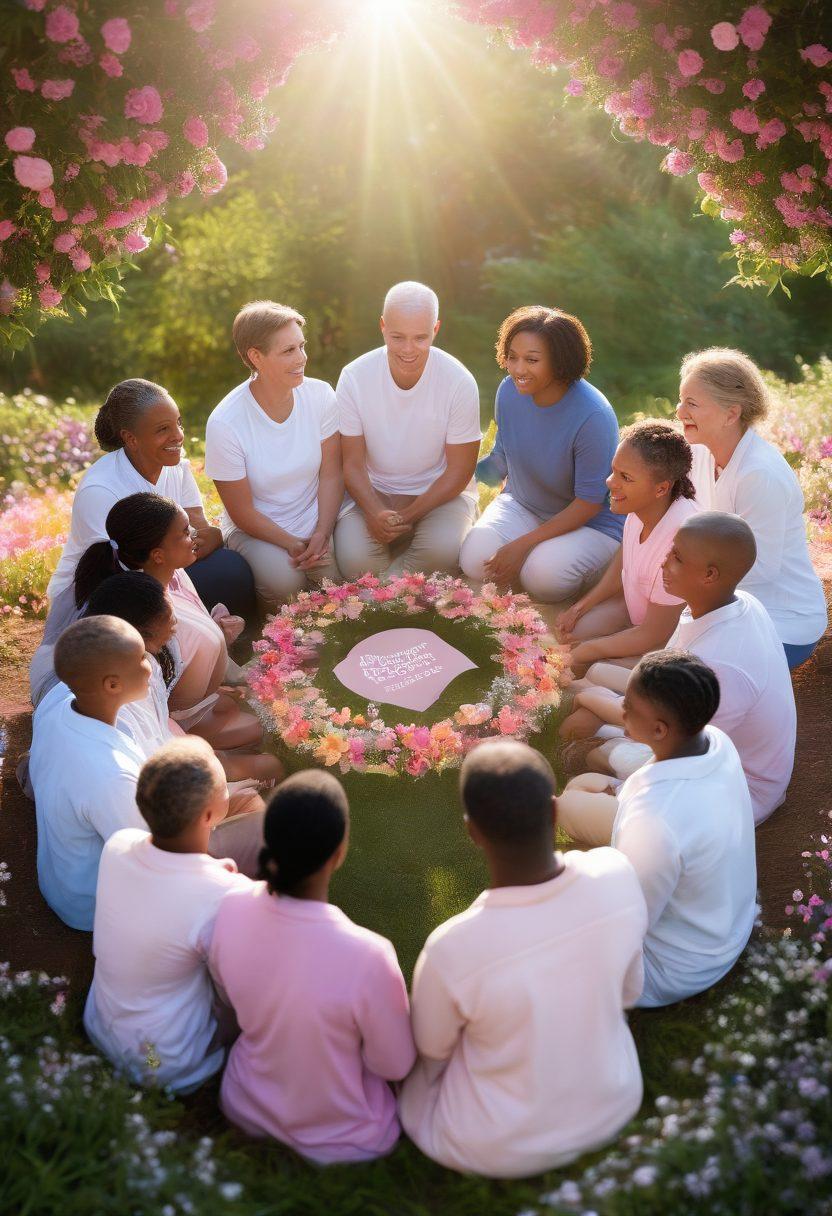
When the diagnosis hits, it can feel like a storm has crashed into your life. However, finding a strong support system is crucial in weathering this storm. Support groups can act as safe harbors for both patients and caregivers. These communities filled with individuals who are living with cancer or who have experienced it themselves can provide validation, encouragement, and insight. Sharing experiences fosters connection and often leads to new ways of coping. Don't hesitate to reach out—remember, every member of this community plays a pivotal role in the journey of cancer awareness and survivorship.
If you’re bewildered by the options for cancer treatment, know that you are not alone. Many avenues exist, from conventional methods like surgery and chemotherapy to alternative medicine and clinical trials. Engaging in these discussions with your healthcare team can reveal options that may have initially felt out of reach. Consider asking about preventative care measures that can integrate seamlessly into your wellness routine. As a patient or caregiver, embracing these resources and options is a vital step in transforming fear into proactive management of your health.
Finally, never underestimate the power of advocacy. Whether you’re navigating the early stages of a diagnosis or celebrating survivorship, your voice can advocate for not only yourself but for others in the community battling cancer. Share your story on a health blog, engage in cancer prevention campaigns, or simply lend an ear to a friend in need. Remember, each step taken toward awareness, support, and understanding fosters a stronger community for those living with cancer. Let's turn compassion into action and shine a light on the journeys of many.
From Awareness to Action: How to Advocate for Your Health in Oncology
In a world where there's a constant stream of oncology news, the key message is becoming increasingly clear: knowledge is power. When it comes to navigating the complexities of cancer, understanding your health is paramount. But how do we transform the vast landscape of cancer awareness into tangible action that impacts our own healthcare journey? It begins with education and engagement, turning diagnosis into advocacy, and feeling empowered enough to take control of our health decisions. How can you, as a potential patient, advocate for yourself in the face of a cancer diagnosis? Let's delve in together, exploring ways to not only inform yourself but to actively participate in your treatment journey.
Imagine sitting in a doctor's office, your heart racing as you receive a diagnosis that changes everything. It's a moment of shock, confusion, and fear. But what happens next is where your power lies. Seeking out comprehensive patient education is your first step toward understanding cancer treatment options available to you. From standard treatments to alternative medicine, knowing your avenues can make all the difference. As renowned author and cancer advocate, Dr. Siddhartha Mukherjee, said, "The cancer story is a story of hope and medicines—of how we write our own endings." Have you considered what role you want to play in your own story?
Once you are equipped with knowledge, it's time to embrace the support around you. Joining support groups can provide a crucial lifeline. Here, stories of survivorship intermingle with shared experiences in a comforting embrace of community support. You’re not in this alone; others have walked this path and can provide insights into symptom management, practical tips for living with cancer, and advice on navigating the healthcare system. In the words of one cancer survivor, "Finding my tribe saved me when I was lost." Are you ready to connect with others who understand what you’re going through?
As we explore advocacy, let’s not forget the critical role of medical research and clinical trials in shaping the future of oncology. Advocating for your health means asking questions, whether you’re in a one-on-one with your oncologist or during your next visit to the infusion center. It's your right to inquire about cutting-edge treatments, new clinical trials, and ongoing studies that hold the potential for breakthroughs in cancer prevention and care. “Knowledge is like a garden: if it’s not cultivated, it cannot be harvested,” said African proverb. What questions do you have planted in your mind that need nurturing?
Lastly, let’s talk about preventative care. Whether you’re a patient or a caregiver, empowering ourselves to live healthily—mind, body, and spirit—is a cornerstone to not just surviving cancer but thriving. Incorporating elements of wellness into your life helps in managing symptoms, maintaining energy, and fostering resilience. Regular check-ups, balanced nutrition, and stress management techniques contribute immensely to this journey. Remember that each small choice can set the groundwork for long-term health. How can you incorporate these practices into your life today? Your proactive approach can be a beacon of hope in this narrative of cancer awareness and advocacy.
Surviving and Thriving: Building a Supportive Community for Cancer Awareness
In the journey of living with cancer, the path often feels treacherous and filled with uncertainty. But what if that path is illuminated by the strength of a supportive community? Survivorship isn't solely defined by the diagnosis but rather how we choose to navigate through it. Building a supportive community for cancer awareness is not just beneficial; it's essential. Imagine a world where every individual diagnosed with cancer receives the backing they need — through patient education, advocacy, and access to reliable oncology news. How much easier could the journey become?
A strong community can make all the difference when it comes to cancer treatment options and preventative care. When patients unite, there's power in shared experiences. Support groups become sanctuaries that foster connections among individuals grappling with similar fears and hopes. They serve as pillars of strength where conversations about symptom management are met with compassion and insights gathered from both survivors and oncologists alike. This is the heart of advocacy; by supporting each other, we amplify voices that need to be heard in the healthcare system.
Are you aware of the impact that medical research and clinical trials have on the cancer community? These initiatives frequently open doors for innovative cancer treatment options, whether through traditional methods or alternative medicine. Imagine how transformative it is for a patient to find out about a breakthrough therapy that might change the course of their disease, all because they engaged with a community that prioritizes sharing vital information. Together, we cultivate an environment where knowledge thrives and hope flourishes.
Embracing the concept of community support transcends traditional notions of loneliness that often accompany cancer diagnoses. Survivorship should be celebrated, and thriving means embracing wellness in all forms. This includes mental resilience and holistic healing, which can be fostered by engaging in shared activities, attending workshops, or even just facilitating discussions through a health blog. The act of sharing one’s journey inspires others and breaks down the isolation that cancer can impose.
Ultimately, building a supportive community for cancer awareness is rooted in the understanding that nobody should face this battle alone. Whether it’s extending a hand in support, leveraging knowledge from oncology news, or participating in local initiatives, each effort contributes to the greater cause of cancer prevention and survivorship. So ask yourself: how can you play a role in fostering a community that empowers others? By establishing connections, offering empathy, and spreading awareness, we can navigate the landscape of living with cancer together.